Community Outreach and Health Education Programs
Visit to Chiguru -- Child Care Facility for Students
Department of Child Health Nursing, Manipal College of Nursing, Manipal, MAHE; Chiguru Day Care Centre of MIT, MAHE; and Anganwadi Centre, Manipal on 12.07.2024.
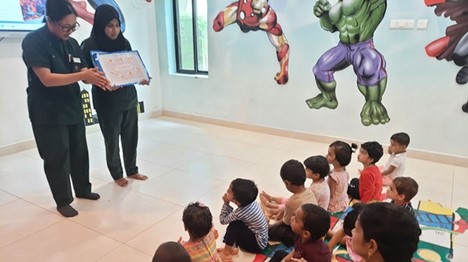
The First Year MSc Nursing students and faculty coordinator from the Department of Child Health Nursing, Manipal College of Nursing (MCON), Manipal Academy of Higher Education (MAHE), Manipal, visited the Chiguru Day Care Centre of MIT, MAHE and Anganwadi Centre, Manipal, as part of the academic outreach program/field visit on July 12th, 2024
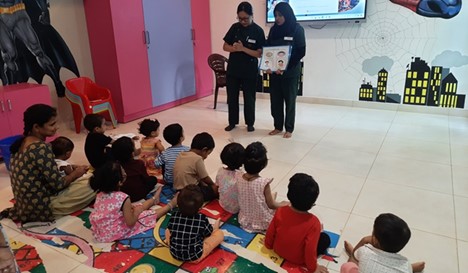
The program aimed to observe the activities and functioning of the Day Care Centre and Anganwadi Centre and also to create awareness of 'Personal Hygiene' for the under-five children. The outreach program contributed towards Sustainable Development Goals 3 and 4 (SDG 3 & 4) to achieve good health, well-being, and quality education.
The session highlighted the importance of adopting healthy habits, including hand hygiene, proper toothbrushing technique, bathing, grooming, and following a daily routine. The students also demonstrated handwashing and brushing techniques to the children. The session was conducted using AV aids like flashcards, models, and videos, along with educational nursery songs and rhymes, which enabled the children to easily grasp the concept at their level of understanding and actively participated in singing along, performing action to the songs being played.
Awareness Session on behalf of Poshan Maah and World Rabies Day
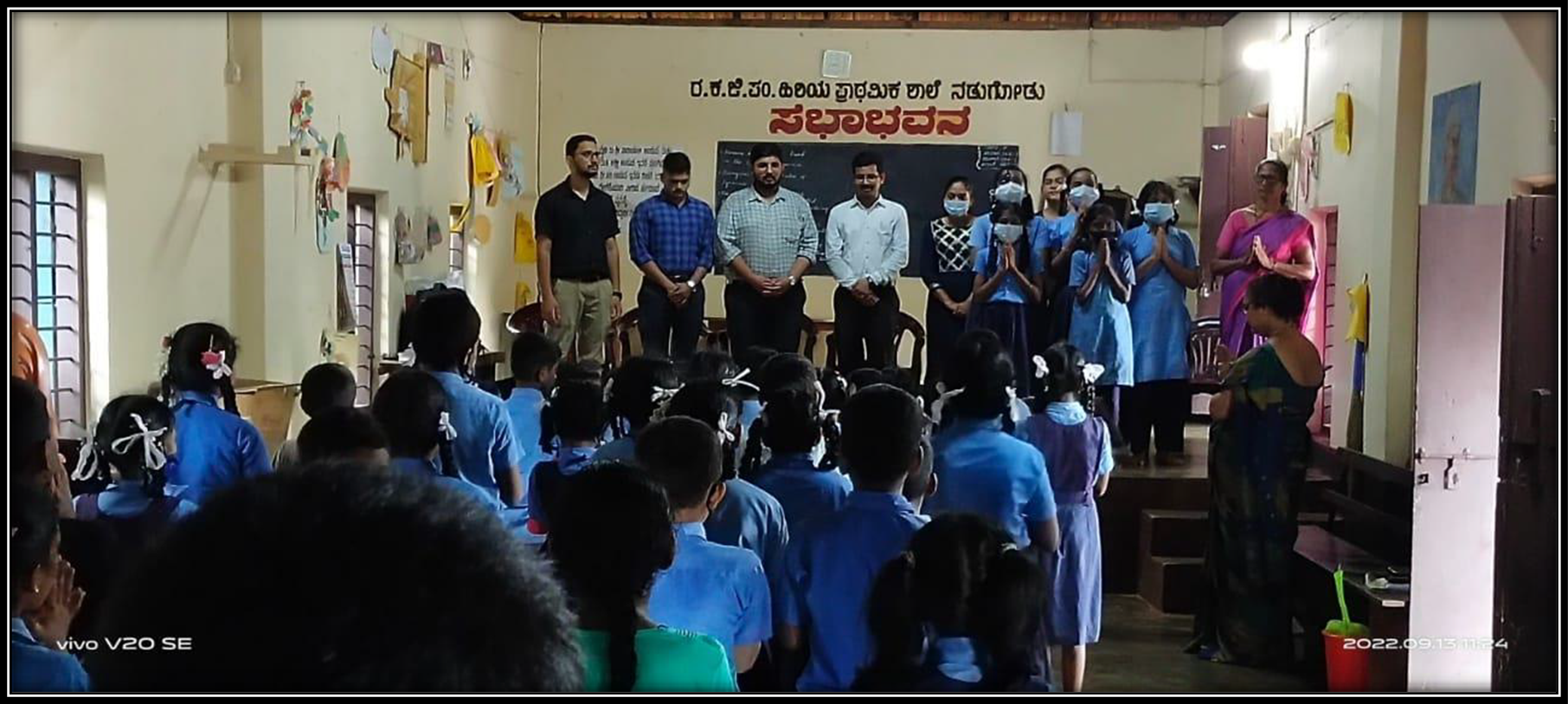
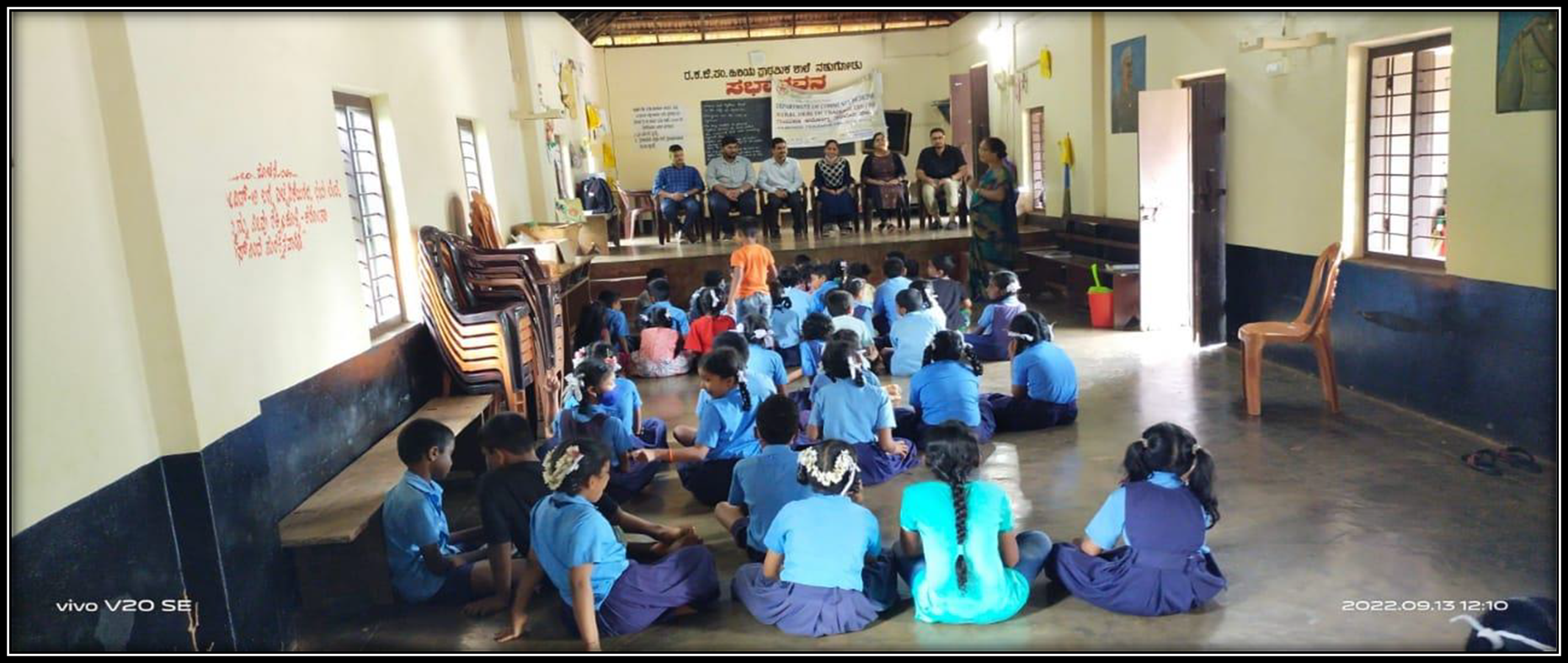
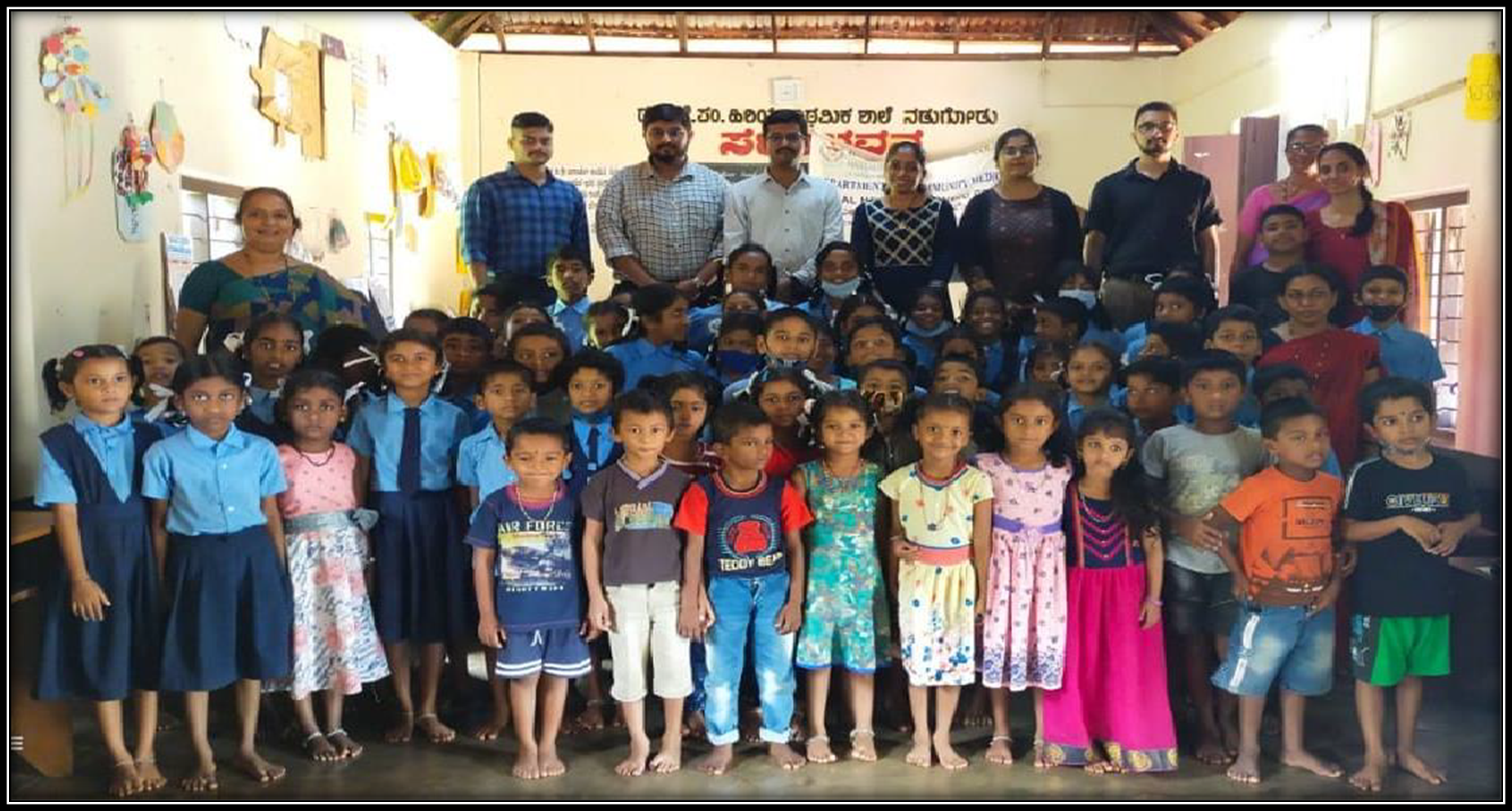
Organized by: Department of Community Medicine, Kasturba Medical College (KMC) Mangalore, Manipal Academy of Higher Education | Date: 13/09/2022 | Time: 10.00 to 11.30 am | Venue: Government Primary School, Nadugodu | Target audience: Students of 1st to 7th standard | Total Number of students: 60
Resource Persons:
- Dr. Mithun, Assistant Professor, Department of Community Medicine
- Dr Paarth Garg, Postgraduate, Department of Community Medicine
Members of the Team:
- Mrs. Kavitha Shetty, Health Educator, Rural Health Training Centre Kateel, Department of Community Medicine
- Mr. Rahul, Health Inspector, Rural Health Training Centre Kateel, Department of Community Medicine
- Dr. Mohammad Sinanuddeen and Dr. Anchal Goyal, Medical Interns, Kasturba Medical College, Mangalore.
Target audience: Students of 1st to 7th standard | Total Number of students: 60
Summary of the Programme
Awareness Session about Nutrition on behalf of Poshan Maah and World Rabies Day was conducted by the Department of Community Medicine for students of 1st to 7th standard of Government Primary School, Nadugodu, Kateel on 13th September 2022. The session started with a formal introduction by the Head Mistress of the Institution followed by invocation song by the students.
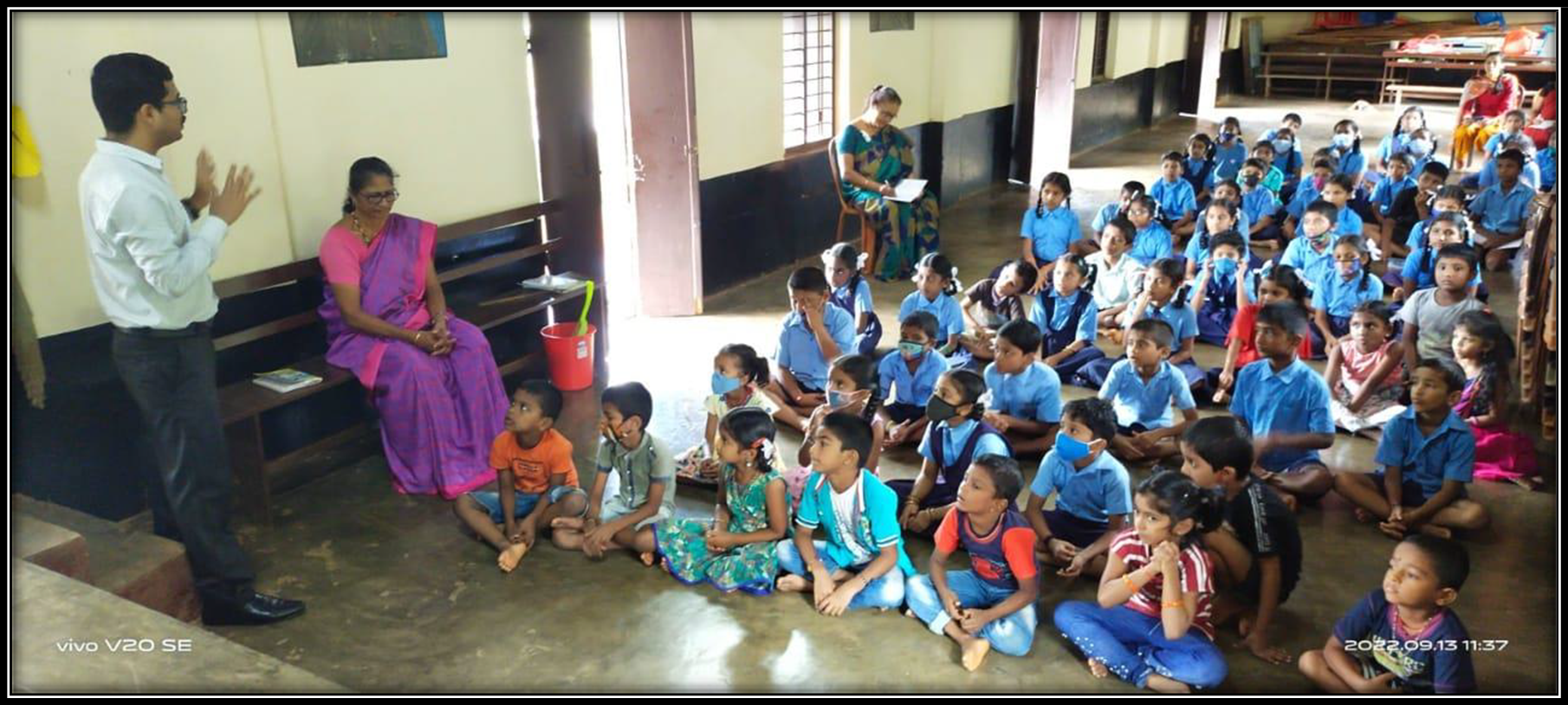
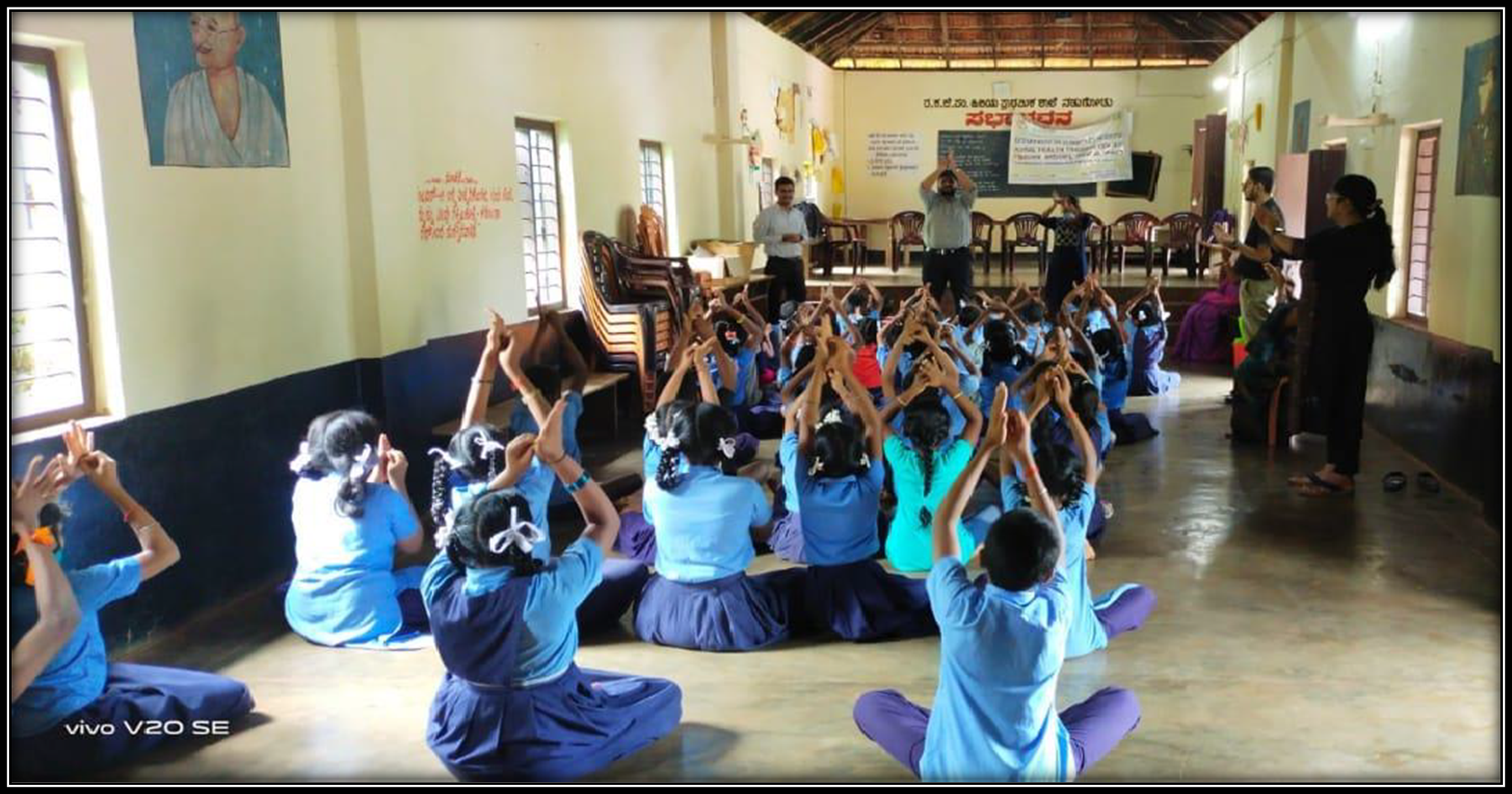
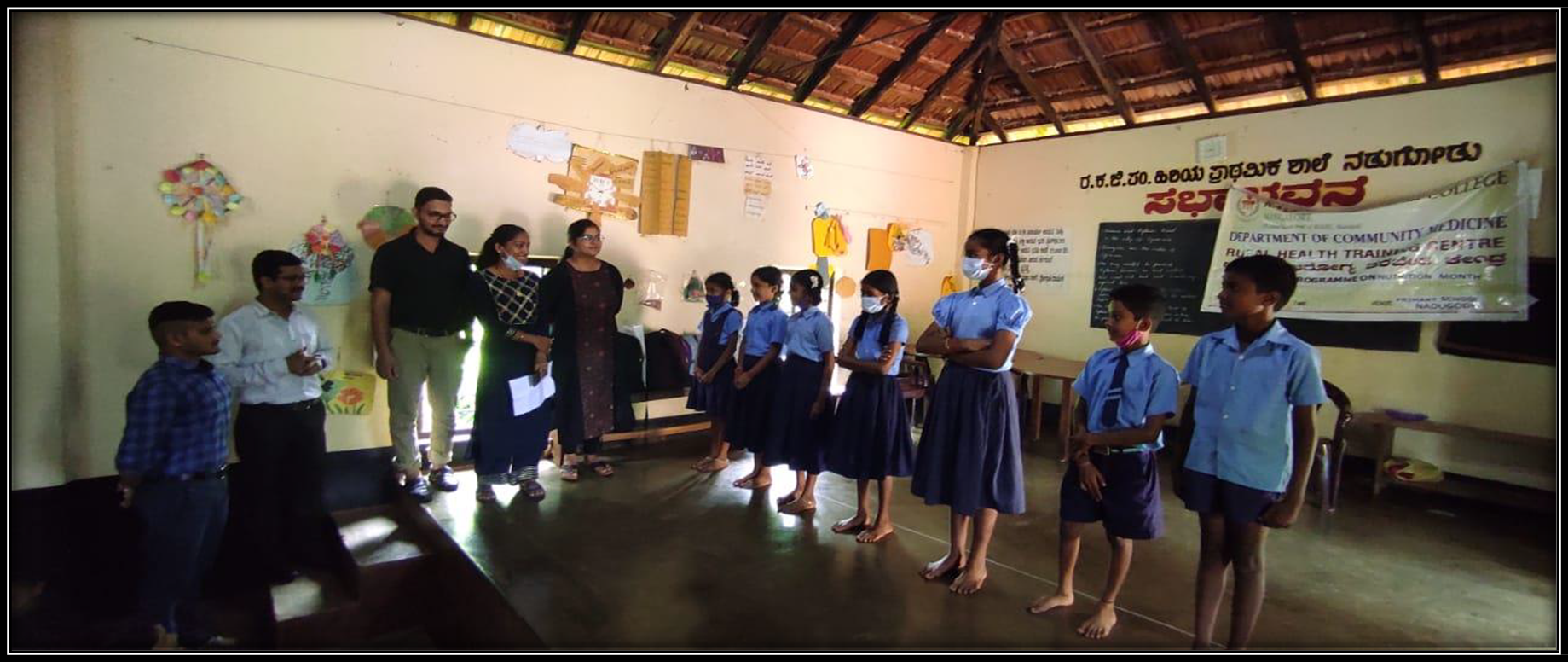
Dr. Mithun, Assistant Professor gave an educative and interactive talk on nutrition and its importance along with importance of handwashing. Dr. Paarth, Postgraduate along with Medical interns of Dept of Community Medicine gave hands on training on handwashing techniques to all the students followed by the repetition and demonstration of proper handwashing techniques by students. An activity to identify healthy and unhealthy food was arranged by Mrs Kavitha and Mr Rahul for the students, where students participated actively.
An awareness talk on First Aid during Animal bite was given by Dr. Mithun where he discussed briefly about various types of animal bite, first aid during animal bite and various preventive measures for the same. The session concluded with a vote of thanks from the principal of the school.
Examining Menstrual Hygiene Practices Among Adolescents and Their Potential Acceptability of Reusable Sanitary Pads
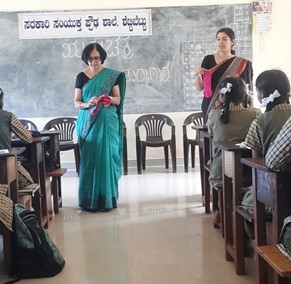
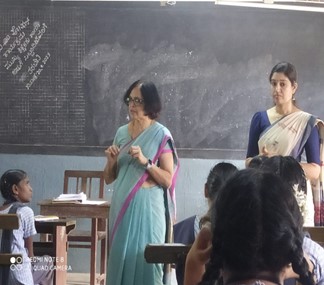
'Empowering Adolescent Schoolgirls' is to give Health awareness, awareness about Economic Access, teach them about sustainable living, and training and workshops on Leadership and Communication for young girls from Govt. High School Volakadu, Govt. High School Shettybettu and Kendriya Vidyalaya Udupi in June 2023.
The sustainability project aims to investigate the transition of adolescent girls from using disposable pads to eco-friendly reusable cloth pads. The research employs a structured approach integrating quantitative and qualitative methods across various phases. Initially, a baseline survey was conducted among 12 to 15-year-old girls in selected schools, covering menstrual practices, family backgrounds, facilities access, and awareness of eco-friendly options. Subsequently, an awareness session was conducted, followed by the distribution of eco-friendly pads to all girls. Two months later, a follow-up survey collected feedback on pad usage, supplemented by interviews and focus group discussions to explore experiences and challenges faced, with special consideration given to the impact of the monsoon season.
Eco Femme, established in 2010 within the international township of Auroville near Pondicherry, has partnered with TAPMI faculty members to conduct awareness programs in government schools across Karnataka's Udupi district. Targeting adolescent girls aged 12 to 15, these programs provide tailored menstrual health education while monitoring the acceptance and adoption of Eco Femme's sustainable menstrual pads and assessing the overall program impact.To support educators in this mission, Eco Femme has developed a comprehensive Facilitator's Guide for two 1½-hour sessions designed to create a supportive environment for menstrual education. Each participant receives a kit comprising four washable cloth pads and a travel pouch after the training. Renowned for its sustainable approach, Eco Femme offers All-In-One and Foldable pads through their Pad for Pad program, emphasizing the pivotal role of educators in effectively conveying program messages through both verbal and non-verbal cues. An open-minded and respectful approach ensures program engagement and impact among adolescent girls in Udupi's government schools.
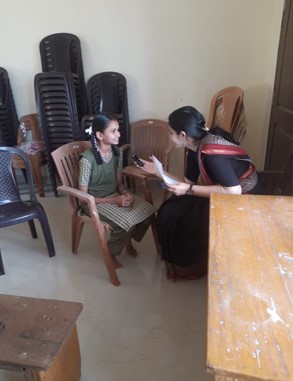
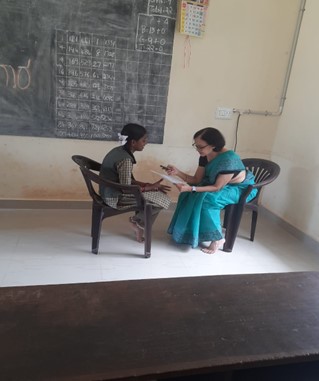
The data collection process involved three phases. Firstly, a quantitative questionnaire, instructional session, and semi-structured interviews were conducted, with Eco Femme products provided free of cost to all participants. The second phase, conducted two months later, included another quantitative questionnaire on product usage and maintenance, followed by semi-structured interviews focusing on switching behaviour. Finally, additional surveys during the monsoon and a focus group discussion representing different switching behaviours were conducted.Participation was voluntary to ensure confidentiality, with questionnaires translated into regional languages for respondent comfort. The sample included 350 adolescent girls from government schools - Government School Rajeev Nagar, Kendriya Vidyalaya, Kamala Bhai Memorial School, Government School, Volakkadu, and Shetty Bettu School in the Udupi District, with longitudinal phases conducted in all mentioned schools.
The survey conducted among adolescent girls provides quantitative insights into their perceptions of disposable pads' environmental impact. Approximately 28.40% of respondents agree that sanitary pads are non-degradable, while 24.10% disagree, and 25.90% remain neutral. Similarly, 24.40% of participants express agreement that burying pads contributes to soil pollution, with 38.10% in disagreement. Regarding burning pads, 19.70% agree it causes air pollution, while 29.10% disagree. Furthermore, 26.60% agree that disposing of pads in backyards pollutes surroundings, and 22.80% agree that disposing of pads with household waste causes pollution. Additionally, 24.70% agree that disposing of pads in roadsides or vacant areas leads to pollution, and only 9.40% agree that municipalities burning pads cause pollution. These findings highlight the diverse perspectives among adolescent girls and emphasize the importance of targeted awareness campaigns to promote eco-friendly menstrual hygiene practices and mitigate environmental impact.
The comprehensive sustainability project aimed at understanding the transition of adolescent girls from disposable pads to eco-friendly reusable cloth pads has significant societal implications. By integrating quantitative and qualitative methods, the research provided valuable insights into menstrual hygiene practices and environmental awareness among adolescent girls. The findings shed light on the socio-economic factors influencing menstrual product usage, with a substantial portion of households relying on disposable pads despite the availability of eco-friendly alternatives. Moreover, the study uncovered varied perceptions regarding the environmental impact of disposable pads, emphasizing the need for targeted awareness campaigns to promote sustainable menstrual hygiene practices and mitigate environmental pollution.
The collaboration between Eco Femme and TAPMI underscores the importance of partnerships in driving sustainable initiatives at the grassroots level. By conducting awareness programs in government schools, the project not only provided menstrual health education but also empowered adolescent girls to make informed choices about their health and the environment. The provision of Eco Femme's sustainable menstrual pads, accompanied by comprehensive facilitator guides, exemplifies a holistic approach to menstrual education and product accessibility.
The qualitative findings highlighted cognitive, emotional, and behavioural factors influencing switching behaviour, indicating the complexity of decision-making processes related to menstrual product usage. Addressing challenges such as uncertainty about eco-friendly options' effectiveness and lack of awareness among participants presents an opportunity for targeted interventions and educational initiatives. By fostering a supportive environment for menstrual education and product adoption, the project contributes to empowering adolescent girls and promoting sustainable practices within communities.
Overall, the sustainability project serves as a catalyst for societal change by fostering awareness, promoting eco-friendly alternatives, and empowering adolescent girls to make informed choices about their health and the environment. Through collaborative efforts and targeted interventions, the study paves the way for a more sustainable and equitable future, where menstrual hygiene is prioritized, and environmental stewardship is embraced at the grassroots level.